

 Follow Us
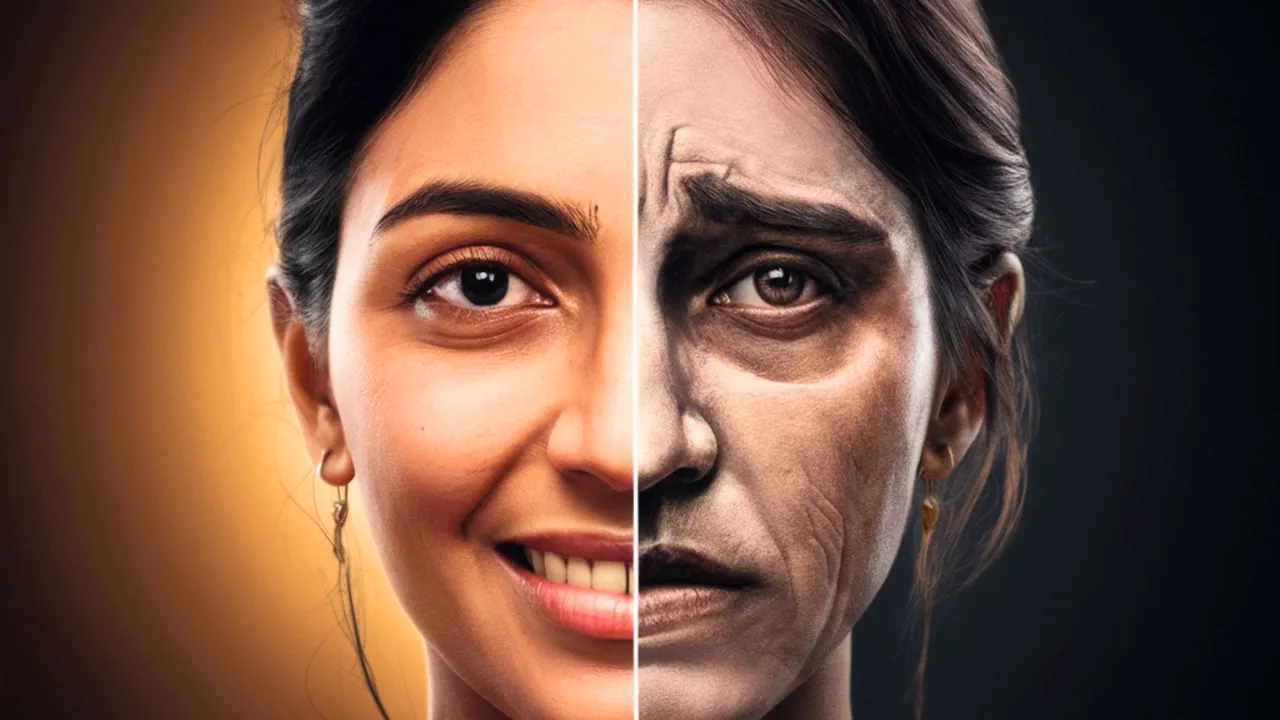
Unveiling Mental Health and Authenticity Amid an Era of Filters | Photo courtesy: Special arrangement
In today's digital age, the widespread use of image manipulation tools on social media platforms has profoundly influenced how the younger generation represents themselves and perceives society. These tools, once regarded as minor aids for enhancing images, are now pivotal in shaping self-worth. Individuals can modify their appearance with filters in simple clicks or swipes to align with prevailing social aesthetic norms, blurring the lines between authenticity and fabrication.
In a world where advanced technology is readily accessible, the art of expression extends beyond traditional media. Generation Z, pioneers of their own digital identities, frequently alters photos using sophisticated editing tools. This creates a false sense of control over their image: "If I spend more time and really work at it, I can improve at being beautiful," and as one young woman noted, "I don’t get to choose how I’m going to leave my apartment today, but I can choose which picture makes my arms look thinner".
Despite the allure of enhanced images, a critical question emerges: How can one truly express oneself authentically in an era dominated by flawless digital overlays and filters? The minute details in these images not only conceal but reveal—each edited photo becomes a canvas displaying our preferences and insecurities. Such practices significantly impact how individuals view themselves and their confidence, raising important concerns about the effects of manipulated images on overall well-being.
Revealing the Consequences
Beneath the enticing surface of digital filters lies a complex web of consequences deeply intertwined with our psychological health. Each adjustment made to enhance an image, whether smoothing a wrinkle or